
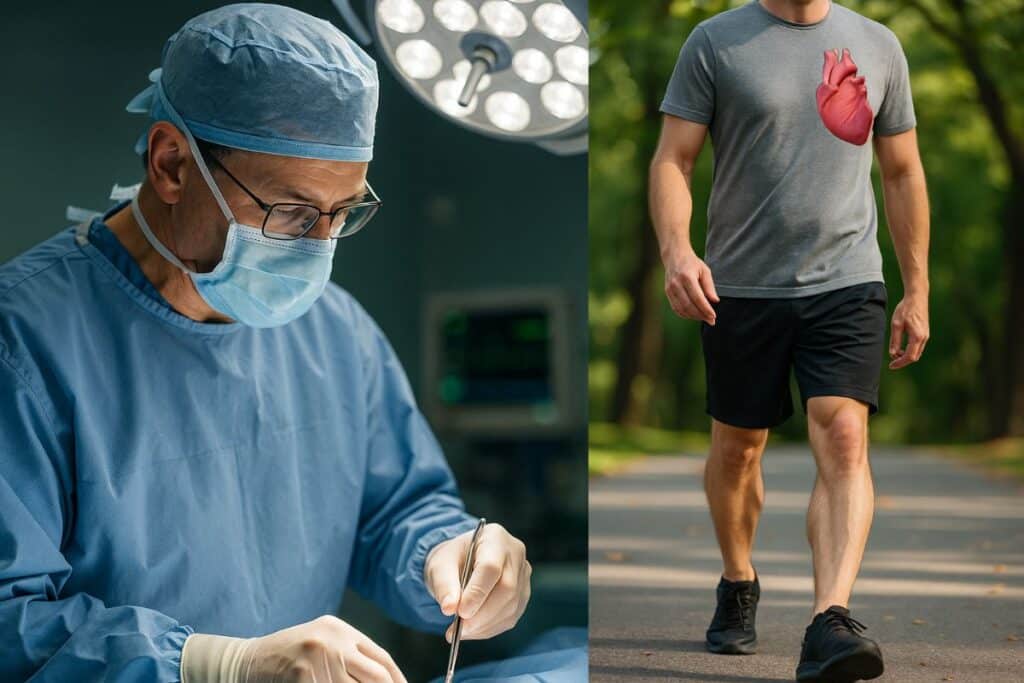
Most people know they have one heart. But according to cardiologist Dr. Dmitry Yaranov, MD, you actually have two.
“The first is in your chest. The second is in your calves.”
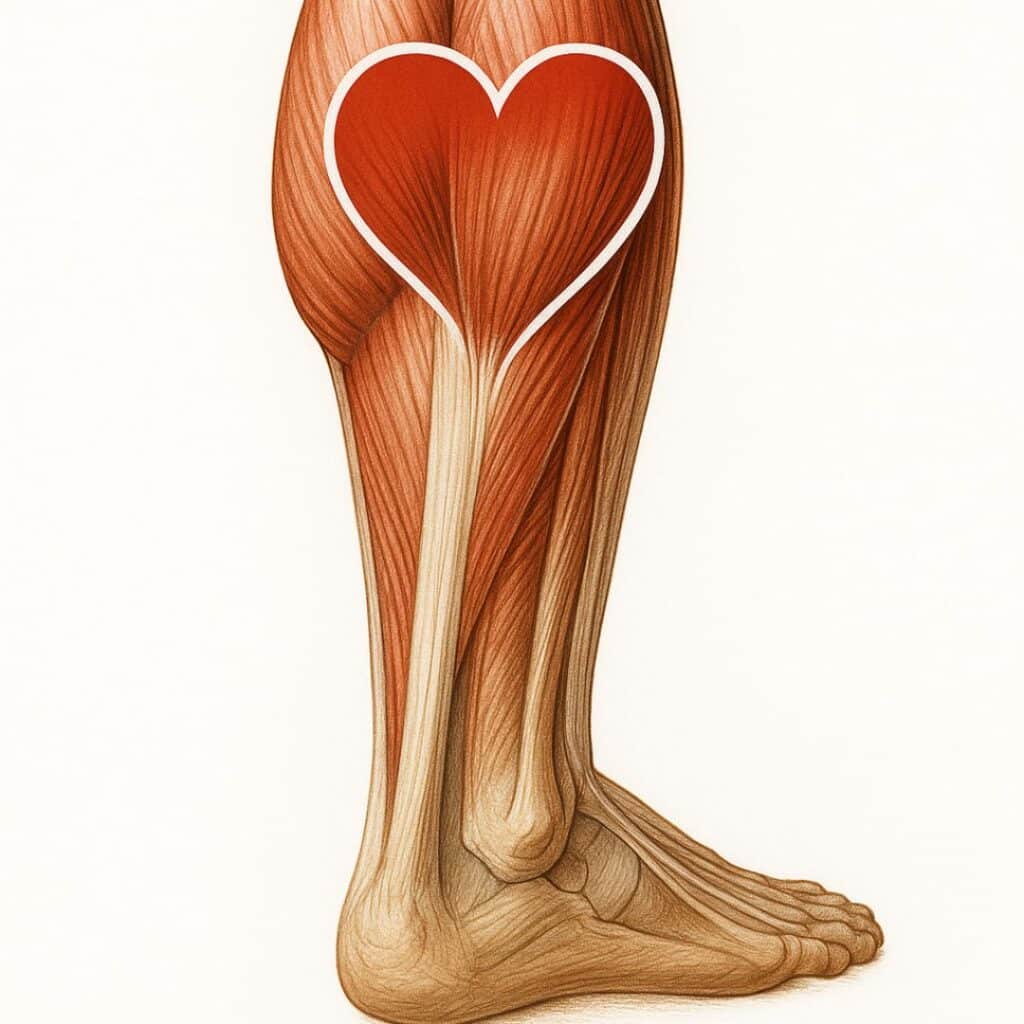
This “second heart” refers to the powerful calf muscles that play a critical role in circulation.
Each step, heel raise, or muscle squeeze pumps blood upward toward your chest, supporting your real heart and keeping your blood moving.
This natural pumping system helps prevent dangerous blood clots, reduces swelling, and eases the workload on the heart itself.
Why Modern Life Weakens the “Second Heart”
Our daily habits have changed dramatically. Many of us sit for hours at desks, spend less time walking, and naturally lose muscle strength as we age. Dr. Yaranov warns that when your calf muscles weaken:
- Circulation slows down
- Swelling in the legs becomes more common
- Blood pressure can rise
- The heart is forced to work harder
- Risk of heart failure increases
In an Instagram video, he said:
“When your ‘second heart’ fails, your first one is forced to work harder — circulation slows, swelling begins, blood pressure rises, and your risk of heart failure skyrockets.”
No Pill Can Replace It
Unlike blood pressure medication or cholesterol drugs, there is no prescription that can substitute for strong calf muscles.
“No medication can replace it,” Dr. Yaranov emphasizes.
The only real solution is movement.

How to Strengthen Your “Second Heart”
Fortunately, small daily actions can make a big difference. Try:
- Walking daily — even 10 to 15 minutes after meals helps circulation.
- Heel raises at your desk — rise onto your toes repeatedly to pump blood back upward.
- Taking the stairs — an easy way to strengthen calves during your normal routine.
- Staying active as you age — focus on leg strength to preserve circulation and protect your heart.
As Dr. Yaranov concludes:
“Don’t wait until it’s too late — start today. Your future self will thank you.”
The Importance of Walking for Cardiovascular Health
Walking is not only the simplest way to activate your “second heart,” it’s also one of the most powerful forms of preventive medicine. A growing body of research shows that even modest amounts of daily walking can dramatically reduce the risk of heart disease, stroke, and early death.
What the research says:
- A review of cohort studies by cardiologists found that walking 20 to 30 minutes a day is linked with about a 49% lower risk of heart disease.
- A Cambridge University analysis of more than 30 million participants revealed that just 11 minutes of brisk walking daily was associated with reduced risk of heart disease, stroke, and several types of cancer.
- In older women, observational studies show that light daily movement — not just formal exercise — is tied to a 22% to 42% lower incidence of cardiovascular events.
These findings highlight a crucial point: you don’t need to run marathons or spend hours in the gym to protect your heart. Even small, consistent amounts of walking make a measurable difference.
Why This Matters
Heart disease remains the leading cause of death worldwide, but protecting your health doesn’t always require dramatic changes.
Simply keeping your “second heart” strong and incorporating regular walking into your day may be one of the easiest ways to support circulation, prevent clots, and reduce strain on the heart in your chest.
The takeaway is clear: move daily, use your calf muscles, and keep both of your hearts alive and well.