
Key Takeaways
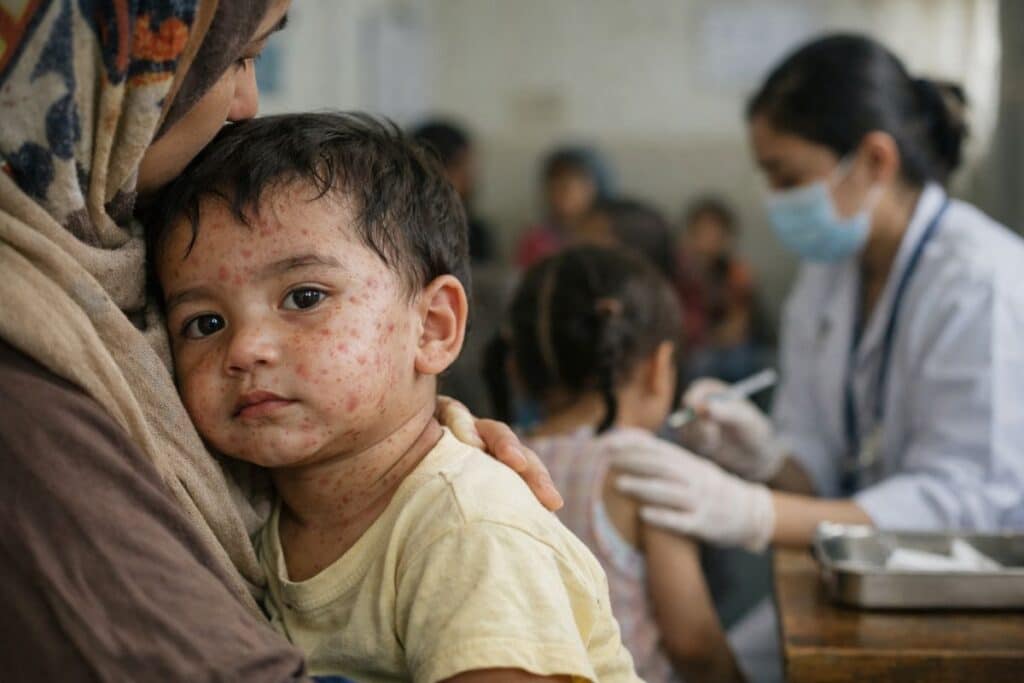
- Measles is a highly contagious airborne disease caused by a virus.
- Measles vaccination prevented an estimated 59 million deaths between 2000 and 2024.
- In 2024, an estimated 95,000 people died from measles, mostly unvaccinated children under age five.
- In 2024, about 84% of children worldwide received one dose of the measles vaccine, and 76% received two doses.
- Measles outbreaks are more common where vaccination coverage and health systems are weak.
Measles is a viral disease that spreads easily through the air and can lead to severe complications or death. Although a safe and cost-effective vaccine has existed for decades, measles continues to cause serious illness worldwide.
Global health data from late 2025 show that measles remains a major threat, particularly for young children who are unvaccinated or under-vaccinated. The information below explains what measles is, how it spreads, who is most at risk, and why vaccination coverage still matters.
What Is Measles?
Measles is a highly contagious disease caused by a virus. It spreads when an infected person breathes, coughs, or sneezes. The virus infects the respiratory tract and then spreads throughout the body.
Anyone can get measles, but it is most common in children. Before measles vaccines were introduced in 1963 and widely used, large outbreaks occurred every two to three years and caused an estimated 2.6 million deaths each year.
Symptoms and Complications
Symptoms of measles usually begin 10 to 14 days after exposure. Early symptoms last about four to seven days and include a runny nose, cough, red and watery eyes, and small white spots inside the cheeks.
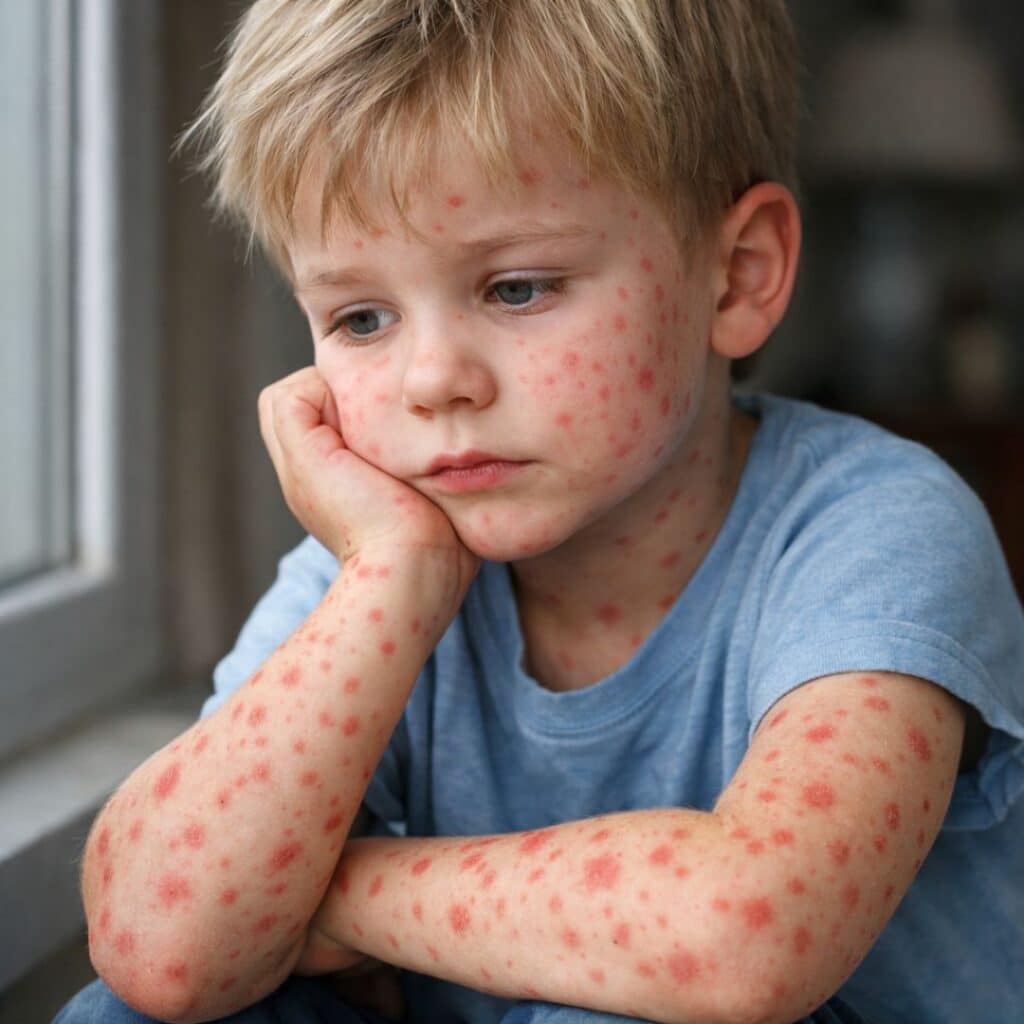
A rash typically appears 7 to 18 days after exposure. It usually starts on the face and upper neck, spreads over the body in about three days, and fades after five to six days.
Most measles deaths are caused by complications rather than the infection itself. Complications can include blindness, encephalitis, severe diarrhoea with dehydration, ear infections, and severe breathing problems such as pneumonia. Measles during pregnancy can be dangerous for the mother and may result in premature birth or low birth weight.
Complications are most common in children under age five and adults over 30, especially in those who are malnourished or have weakened immune systems.
How Measles Spreads
Measles is one of the most contagious diseases in the world. The virus can remain active and infectious in the air or on surfaces for up to two hours. One person with measles can infect up to 18 other people.
An infected person can spread the virus from four days before the rash appears until four days after the rash erupts. In countries close to eliminating measles, cases brought in from other countries remain an important source of outbreaks.
How Many People Are Still Dying From Measles?
Despite widespread vaccination efforts, measles continues to cause deaths. In 2024, an estimated 95,000 people died from measles worldwide. Most of these deaths occurred among unvaccinated or under-vaccinated children under the age of five.
Vaccination efforts have significantly reduced measles deaths over time. Estimated annual deaths fell from 780,000 in 2000 to 95,000 in 2024. Between 2000 and 2024, vaccination activities prevented an estimated 59 million deaths.
Vaccination Coverage and Gaps
Vaccination is the most effective way to prevent measles. Two doses of the vaccine are recommended because not all children develop immunity after the first dose.
In 2024, about 84% of children worldwide received one dose of the measles vaccine by their first birthday. About 76% received both recommended doses. This level of coverage was slightly lower than in 2019, when first-dose coverage reached 86%.
According to estimates from WHO and UNICEF, approximately 30 million infants were under-protected against measles in 2024.
Treatment and Prevention
There is no specific treatment that cures measles. Care focuses on relieving symptoms, preventing dehydration, and treating complications such as pneumonia or ear infections. Vitamin A supplements are recommended for people with measles and may help reduce deaths and prevent eye damage.
Prevention relies on community-wide vaccination. The measles vaccine has been used for about 60 years, costs less than US$1 per child, and is considered safe and effective. Routine vaccination and mass immunization campaigns are especially important in countries with high case rates or fragile health systems.
Global Response
The World Health Organization and its partners continue to prioritize measles prevention. Under the Immunization Agenda 2030, measles is used as an indicator of how well health systems deliver essential childhood vaccines.
WHO has warned that measles elimination is under threat in many regions due to gaps in vaccination coverage. Without sustained vaccination efforts, outbreaks can quickly return, even in countries that were close to eliminating the disease.
Sources
- World Health Organization
- UNICEF