Varicose veins are more than just a cosmetic issue. For millions of people, they signal underlying vein problems that can cause discomfort, swelling, and even serious complications if ignored.
While they are common especially as we age many people don’t recognize the early signs until the condition has progressed. Paying attention to subtle symptoms now can save you from painful treatments and long-term health risks later.
In this article, we’ll walk you through what varicose veins are, the early symptoms to look out for, who’s at risk, and what you can do to treat and prevent them.
What Are Varicose Veins?
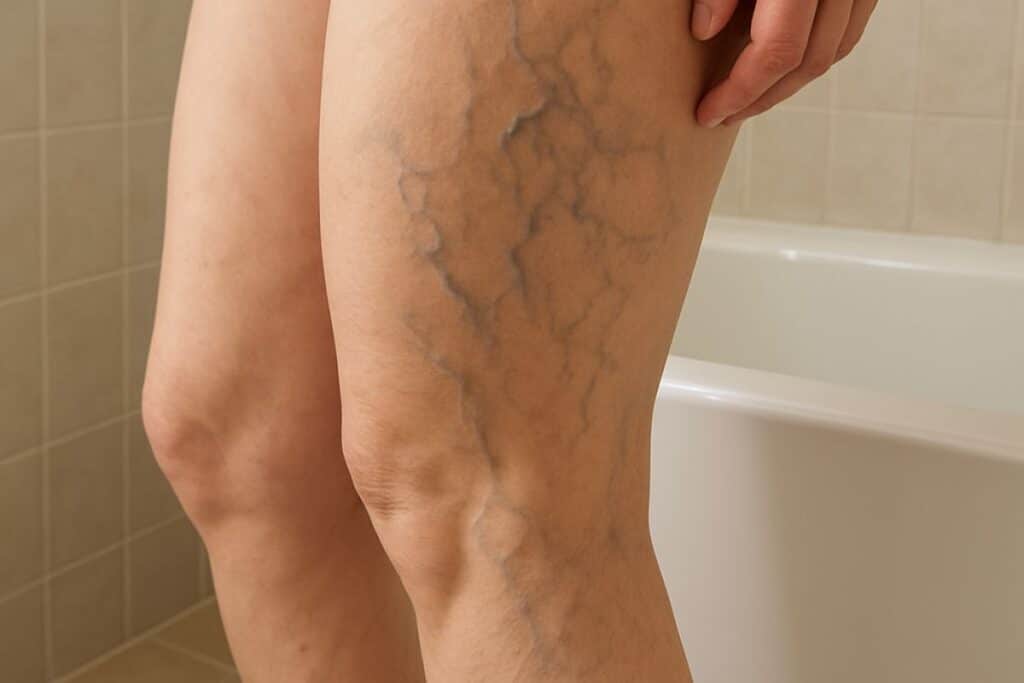
Varicose veins are enlarged, twisted veins that usually appear on the legs and feet. They develop when the tiny valves inside your veins responsible for keeping blood flowing toward the heart become weak or damaged.
Instead of moving smoothly upward, blood pools in the veins, causing them to stretch, bulge, and sometimes twist under the skin.
They can range from small, spider-like veins close to the skin surface to thick, rope-like veins that protrude noticeably. While often considered a cosmetic concern, varicose veins can also be painful and are sometimes linked to more serious circulation issues.
Varicose veins affect both men and women, though women especially during pregnancy or menopause are more likely to experience them. Genetics, age, lifestyle, and occupation also play a significant role.
The Early Signs You Shouldn’t Ignore
Recognizing varicose veins early is key. Symptoms may be subtle at first but tend to worsen over time. Look out for:
- A heavy or aching feeling in the legs – especially after standing or sitting for long periods.
- Mild swelling around the ankles and calves that tends to increase toward the end of the day.
- Itching, tingling, or burning sensations around the veins.
- Restlessness in the legs, sometimes described as “can’t sit still” discomfort.
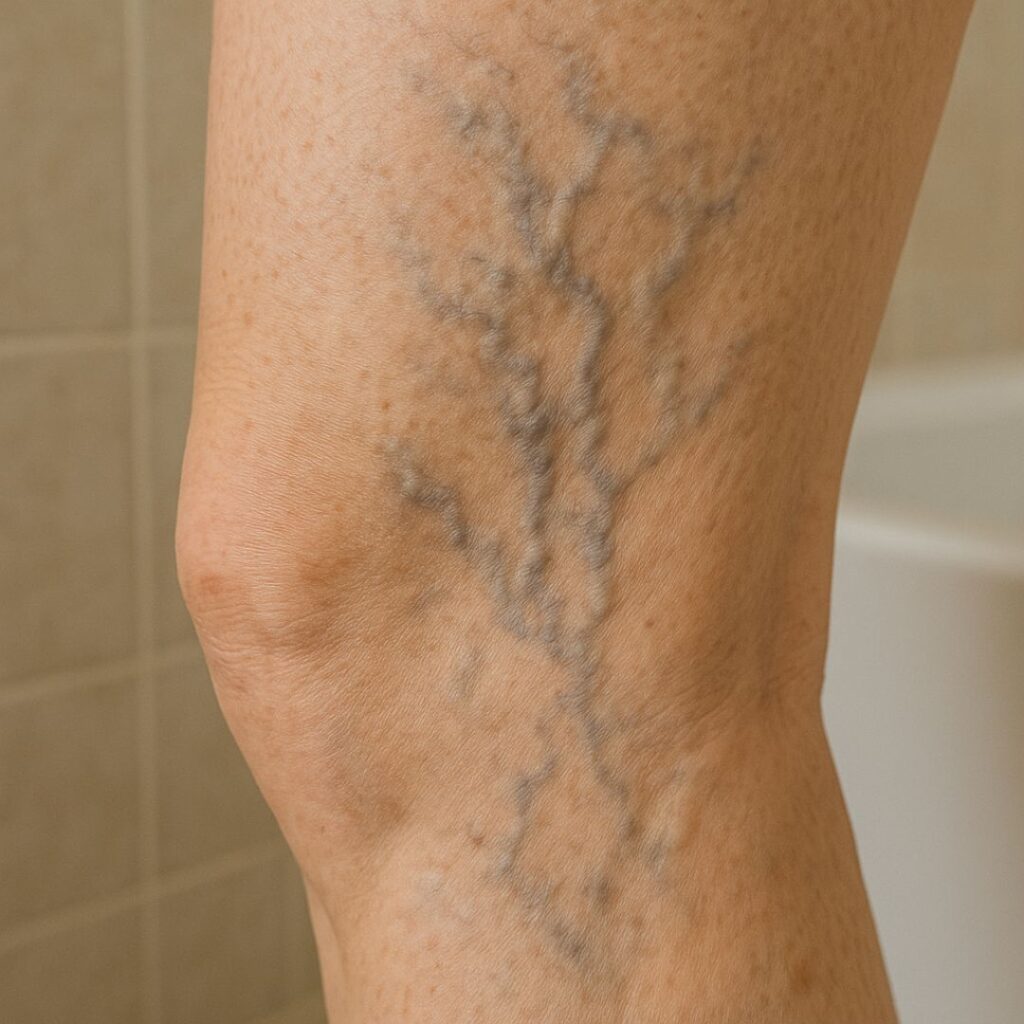
- Spider veins or small clusters of red, blue, or purple lines near the surface of the skin.
- Skin discoloration around the veins, which may look bluish or brownish.
- Visible bulging veins that appear twisted or rope-like as the condition advances.
Importantly, symptoms often ease when you elevate your legs or move around—an early clue that circulation is the problem.
Why Early Detection Matters
Many people dismiss varicose veins as a minor annoyance, but untreated cases can lead to more serious problems. Potential complications include:
- Chronic swelling that makes daily life uncomfortable.
- Skin changes such as hardening, thickening, or dark patches.
- Venous ulcers, which are painful, slow-healing sores near the ankles.
- Blood clots (deep vein thrombosis, or DVT), a serious condition that requires immediate medical attention.
- Bleeding from veins close to the skin surface.
By noticing early signs and seeking medical advice, you can often manage varicose veins with lifestyle changes before they progress into something more severe.
Who’s Most at Risk?
While anyone can develop varicose veins, some people are more prone than others. Risk factors include:
- Family history – genetics play a strong role.
- Age – valves in veins weaken naturally over time.
- Gender – women are more likely to develop varicose veins due to hormonal changes, pregnancy, and menopause.
- Pregnancy – increased blood volume and pressure can enlarge veins.
- Occupations requiring long standing or sitting – such as nurses, teachers, hairdressers, or office workers.
- Obesity – extra weight puts more pressure on leg veins.
- Hormonal medications – such as birth control pills or hormone therapy.
Knowing your risk factors helps you stay alert to the first warning signs.
Treatment Options
If you already have varicose veins, don’t panic. Today, treatments are far less invasive than they used to be. Options include:
Conservative Approaches
- Compression stockings: These special socks apply gentle pressure, improving circulation and reducing swelling.
- Lifestyle changes: Regular exercise, maintaining a healthy weight, and avoiding long stretches of sitting or standing can make a big difference.
- Leg elevation: Raising your legs above heart level for short periods during the day helps blood flow back toward the heart.
Medical Treatments
If conservative measures aren’t enough, doctors may recommend:
- Sclerotherapy – A chemical solution is injected into the vein, causing it to scar and close.
- Laser treatments – High-intensity light closes off smaller veins.
- Endovenous ablation – Heat or radiofrequency energy is used to seal off larger veins.
- Vein stripping or surgical options – Rarely needed today but sometimes used in severe cases.
Your doctor will choose the right option depending on the size of the veins, your overall health, and your symptoms.
Prevention Tips You Can Start Today
Even if you don’t currently have varicose veins—or only have mild symptoms—there are steps you can take to reduce your risk:
- Move often: Avoid sitting or standing in one position for too long. Take walking breaks and stretch your legs regularly.
- Exercise daily: Walking, cycling, and swimming improve circulation.
- Elevate your legs: Raise them for 10–15 minutes a few times per day.
- Maintain a healthy weight: Less pressure on your veins means better circulation.
- Avoid crossing your legs for long periods: This can restrict blood flow.
- Wear supportive footwear: High heels can worsen vein problems; flats or low heels are better for circulation.
- Compression stockings: Consider using them if you’re at high risk, travel long distances, or work on your feet.
Small lifestyle changes can go a long way in protecting your vein health.
Takeaway
Varicose veins are common, but that doesn’t mean they should be ignored. From subtle heaviness in your legs to visible bulging veins, the early signs are your body’s way of warning you about circulation problems.
The good news? Early detection and simple prevention strategies like regular movement, leg elevation, and compression therapy can reduce discomfort and stop varicose veins from worsening. If you notice persistent symptoms or skin changes, don’t wait: consult a healthcare professional to discuss the best treatment options for you.
By paying attention today, you can protect your legs, your comfort, and your long-term health.