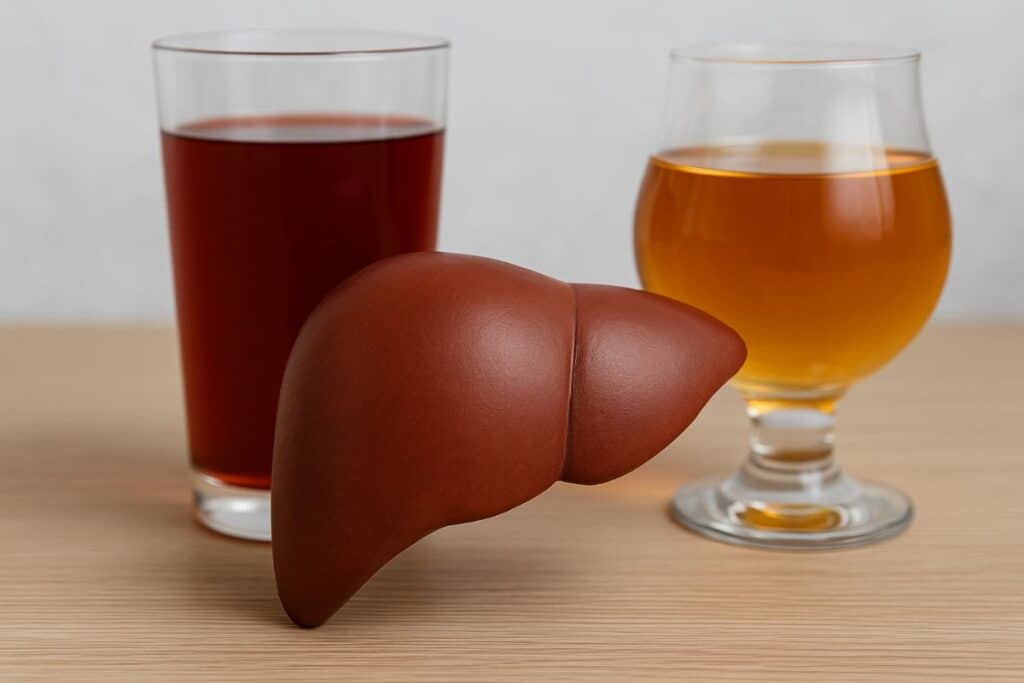
The liver is one of the most important organs in the human body. About the size of a small melon, it performs over 500 vital functions: filtering toxins, processing nutrients, producing bile, storing energy, and regulating blood sugar. Without it, the body cannot survive.
But while the liver is resilient, it is not indestructible. Many drinks people consume daily can quietly harm it over time.
Because liver damage often develops silently, symptoms may not appear until the condition has progressed. Years of repeated stress can lead to fatty liver disease, fibrosis, cirrhosis, or even liver failure.
In this article, we explore seven everyday drinks that can damage your liver if consumed too often, and provides healthier alternatives.
1. Sugary Sodas
Sugary soft drinks are among the most damaging beverages for liver health. The main culprit is fructose, a type of sugar found in high-fructose corn syrup and added sugars.
- The liver is almost solely responsible for metabolizing fructose.
- When consumed in excess, fructose is converted into fat inside the liver.
- Over time, this contributes to non-alcoholic fatty liver disease (NAFLD).
Several studies have linked regular soda consumption to higher risks of liver fat buildup and metabolic disorders.
Diet sodas are even worse. According to a large UK Biobank study of 123,788 adults found that drinking even one diet soda per day was linked to a 60% higher risk of fatty liver disease, compared to a 50% higher risk from regular sugary sodas. Researchers say the findings challenge the belief that “diet” or “zero” drinks are healthier, emphasizing that replacing them with water can significantly reduce liver disease risk.
Better choice: Replace soda with sparkling water flavored naturally with lemon or berries.
2. Energy Drinks
Energy drinks often combine extremely high doses of caffeine, sugar, and herbal additives. While marketed as performance enhancers, they have been associated with liver injury.
- Case reports document instances of acute liver damage linked to energy drink overuse.
- Sugar content can exceed that of soda, compounding the risk.
- Certain additives, such as niacin in very high doses, may also stress the liver.
Better choice: For a safer energy boost, choose black coffee or green tea, which provide caffeine and antioxidants without excessive sugar.
3. Alcohol
Alcohol is well known for its harmful effects on the liver, but many underestimate the risks of moderate, long-term use.
- When the liver metabolizes alcohol, it produces acetaldehyde, a toxic compound that damages liver cells.
- Daily or heavy drinking accelerates fat accumulation, inflammation, and scarring.
- Prolonged use can lead to alcoholic liver disease, cirrhosis, and liver cancer.
Even moderate drinking carries risk, especially in individuals with other health conditions or genetic susceptibility.
Better choice: Limit alcohol to occasional use and allow alcohol-free days to give the liver time to recover.
4. Sweetened Coffee Drinks
Black coffee in moderation has been shown to protect the liver. However, when coffee is transformed into a sugary beverage, the benefits disappear.
- Specialty coffees such as flavored lattes or mochas can contain 40–60 grams of sugar per serving.
- These added sugars contribute to fat buildup in the liver.
- Artificial creamers often contain hydrogenated oils or trans fats, which promote inflammation.
Better choice: Drink black coffee, or add a small amount of milk and minimal natural sweetener.
5. Fruit Juices
Fruit juice is often perceived as healthy, but its high sugar content can harm the liver.
- Juicing removes fiber, leaving behind concentrated natural sugars.
- A glass of apple or orange juice can contain as much sugar as a can of soda.
- Frequent consumption has been linked to obesity, insulin resistance, and fatty liver disease.
Better choice: Eat whole fruit. The fiber slows sugar absorption and provides additional nutrients.
6. Sweetened Teas and Bottled Iced Teas
Bottled teas often contain more sugar than soda. Even products marketed as “natural” or “refreshing” can be loaded with sweeteners.
- One bottle of iced tea can exceed the daily recommended sugar limit.
- Excess sugar forces the liver into fat storage mode, increasing the risk of NAFLD.
- Diet versions often contain artificial sweeteners, which may alter metabolism and gut bacteria.
Better choice: Brew unsweetened tea at home. Add lemon or a small amount of honey for flavor.
7. Flavored Waters and Sports Drinks
Many flavored waters and sports beverages are marketed as healthy options, but they often contain hidden sugars and artificial sweeteners.
- Sports drinks frequently include high-fructose corn syrup, unnecessary for most people outside of intense training.
- Artificial sweeteners, while low in calories, may disrupt gut microbiota and indirectly affect liver health.
- Routine use adds strain to the liver’s detox and metabolic systems.
Better choice: Hydrate with plain water, sparkling water, or natural coconut water in moderation.
How to Support Your Liver
The liver has a remarkable ability to regenerate, but this only works if you reduce the stress placed on it.
Practical steps for protection:
- Drink mostly water, unsweetened tea, or black coffee.
- Avoid daily consumption of sugary or alcoholic drinks.
- Maintain a balanced diet rich in vegetables, whole grains, lean proteins, and healthy fats.
- Exercise regularly to burn excess fat that would otherwise accumulate in the liver.
Conclusion
Your liver works tirelessly every day to keep you healthy, but it cannot withstand endless abuse. Many drinks people consume without a second thought — from sodas to fruit juices — can quietly damage this vital organ over time.
The good news is that by making mindful choices, you can protect and even improve your liver health. Swapping soda for sparkling water, or sugary coffee for black coffee, may seem like small steps, but they can make a significant difference in the long run.
Your liver is irreplaceable. Treat it with care, and it will take care of you.
Up next: 7 Surprising Everyday Drinks That Protect Your Liver